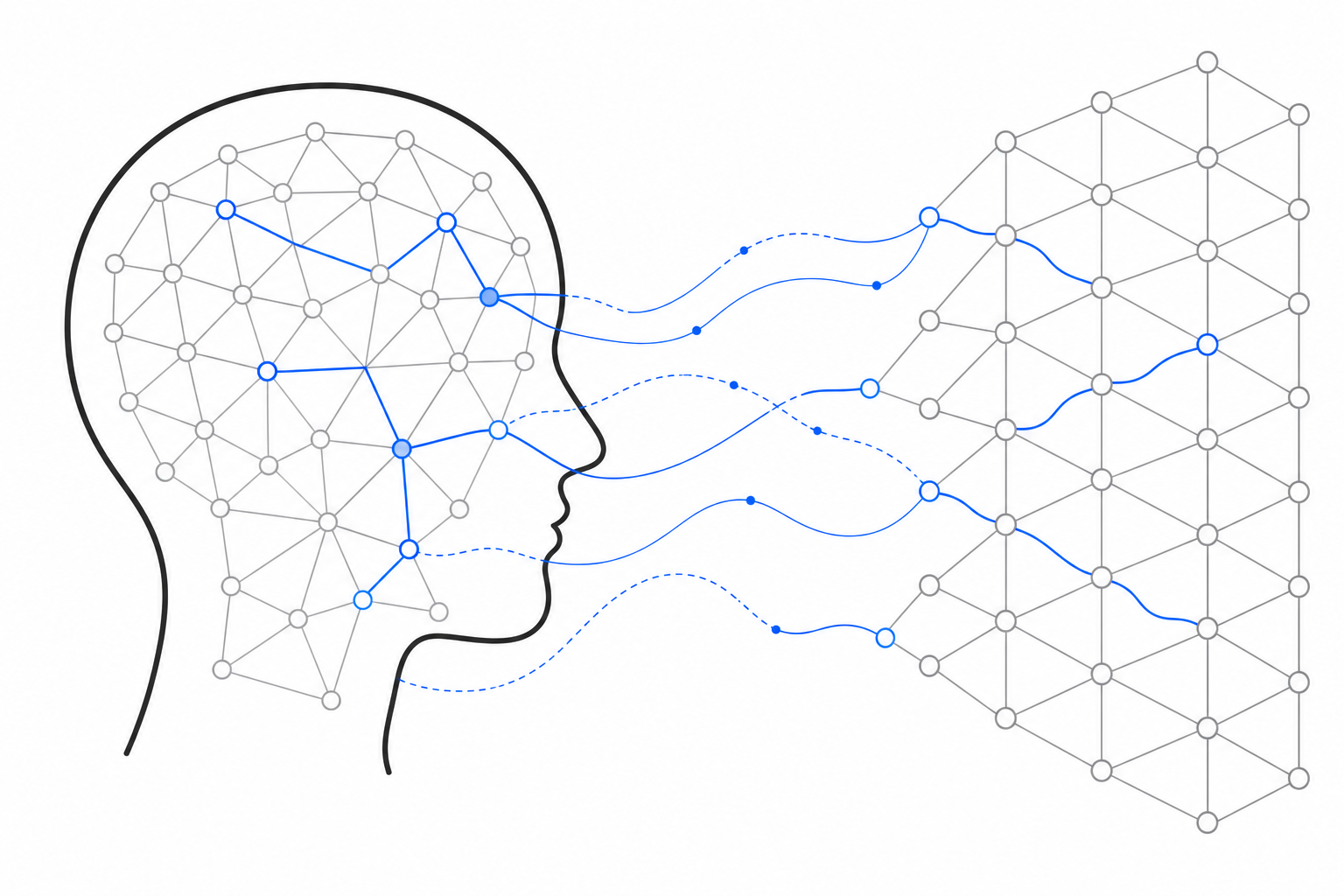
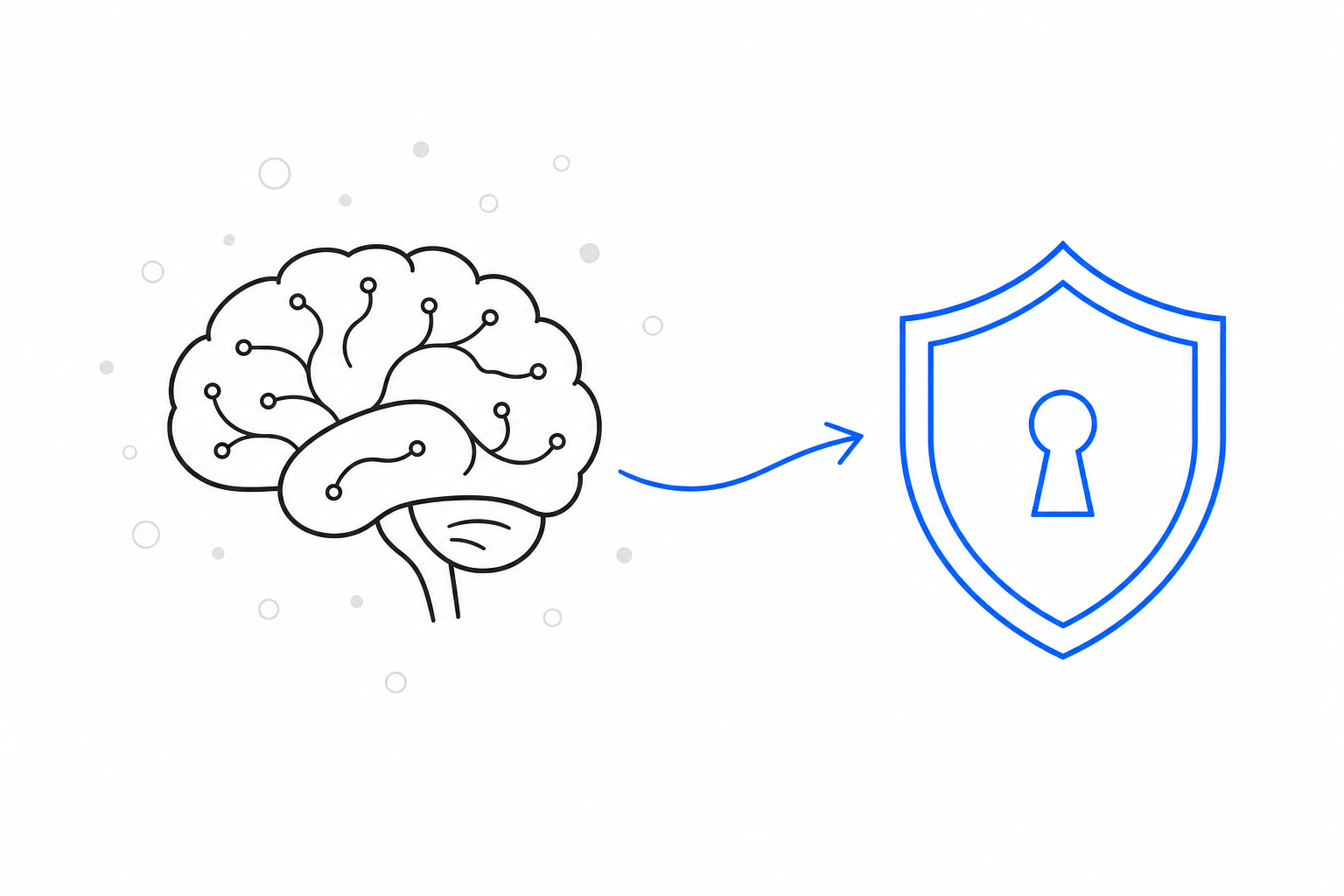
AI model development is not purely a technical process; it is heavily influenced by human psychology and organizational pressure. Cognitive biases such as confirmation bias, premature convergence, optimization myopia, sunk-cost fallacy, and emotional attachment can cause teams to stop iterating too early or optimize for benchmarks instead of real-world resilience. This often leads to models that perform well in testing but fail under production conditions. Strong AI leadership requires creating psychologically safe environments where teams are encouraged to question assumptions, expose failure modes, and prioritize robustness over presentability. The future of reliable AI depends not only on better algorithms, but on better human decision-making around them.
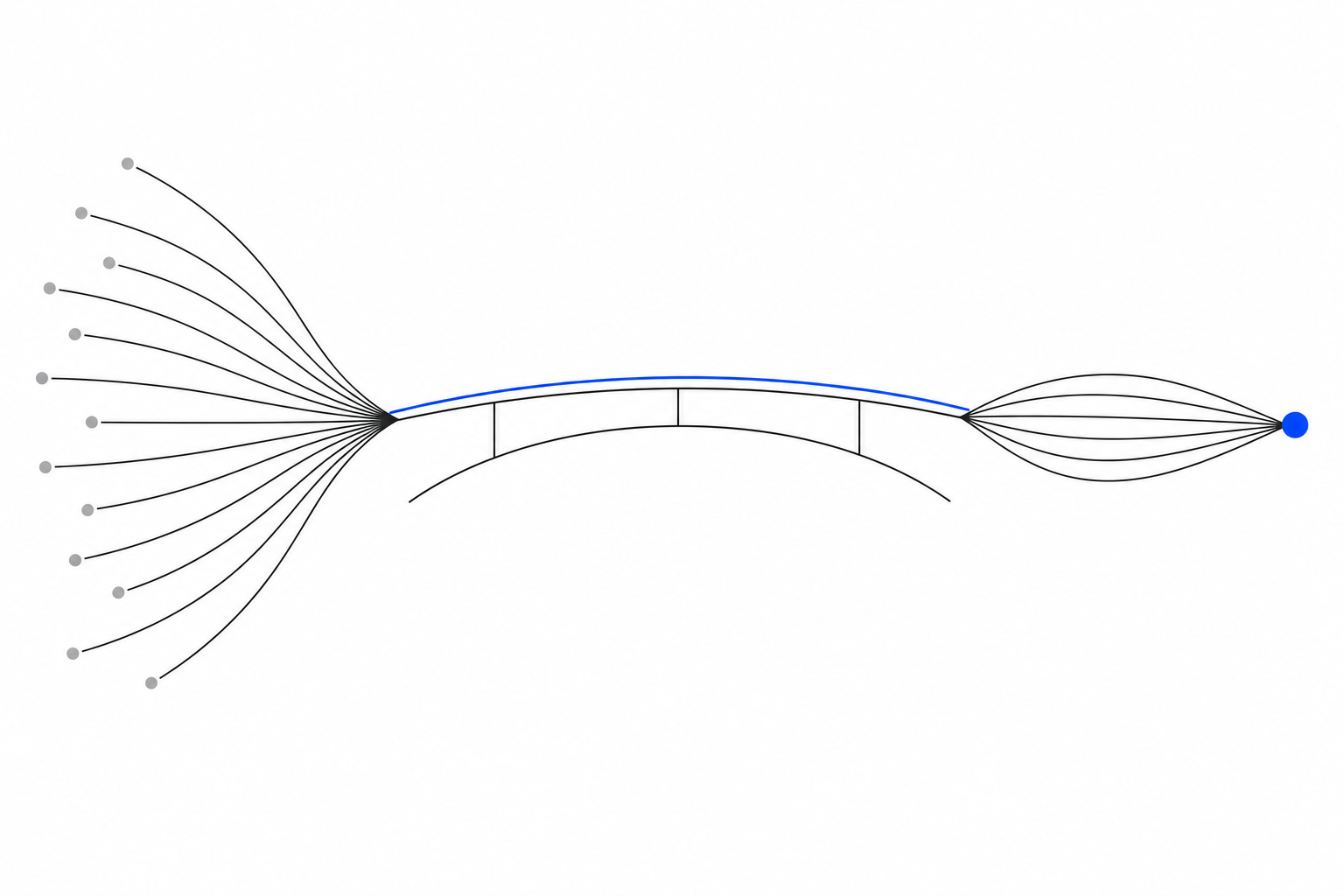
Divergence opens possibilities; convergence turns them into reality. Good leaders don’t wait for certainty — they recognize diminishing returns, choose narrow scope, and accept reversible commitments.
Junior contributors don’t need more direction or more praise — they need a decision-support framework first, and validation second. Without it, validation is empty comfort; with it, it becomes meaningful reinforcement.
Cybersecurity isn’t only a support function; treating it like a product shifts conversations from cost to outcomes — personas, MVPs, telemetry, and maturity toward productized security.
Vigilance decrements, fast event rates, and rare threats hurt analyst accuracy. Shift structures, AI filtering, simulated threats, and burnout prevention matter as much as dashboards.
False-positive triage creates sustained cognitive and emotional load for security teams. Leaders need workload design, psychological safety, and realistic expectations — not “clean scan” theater.
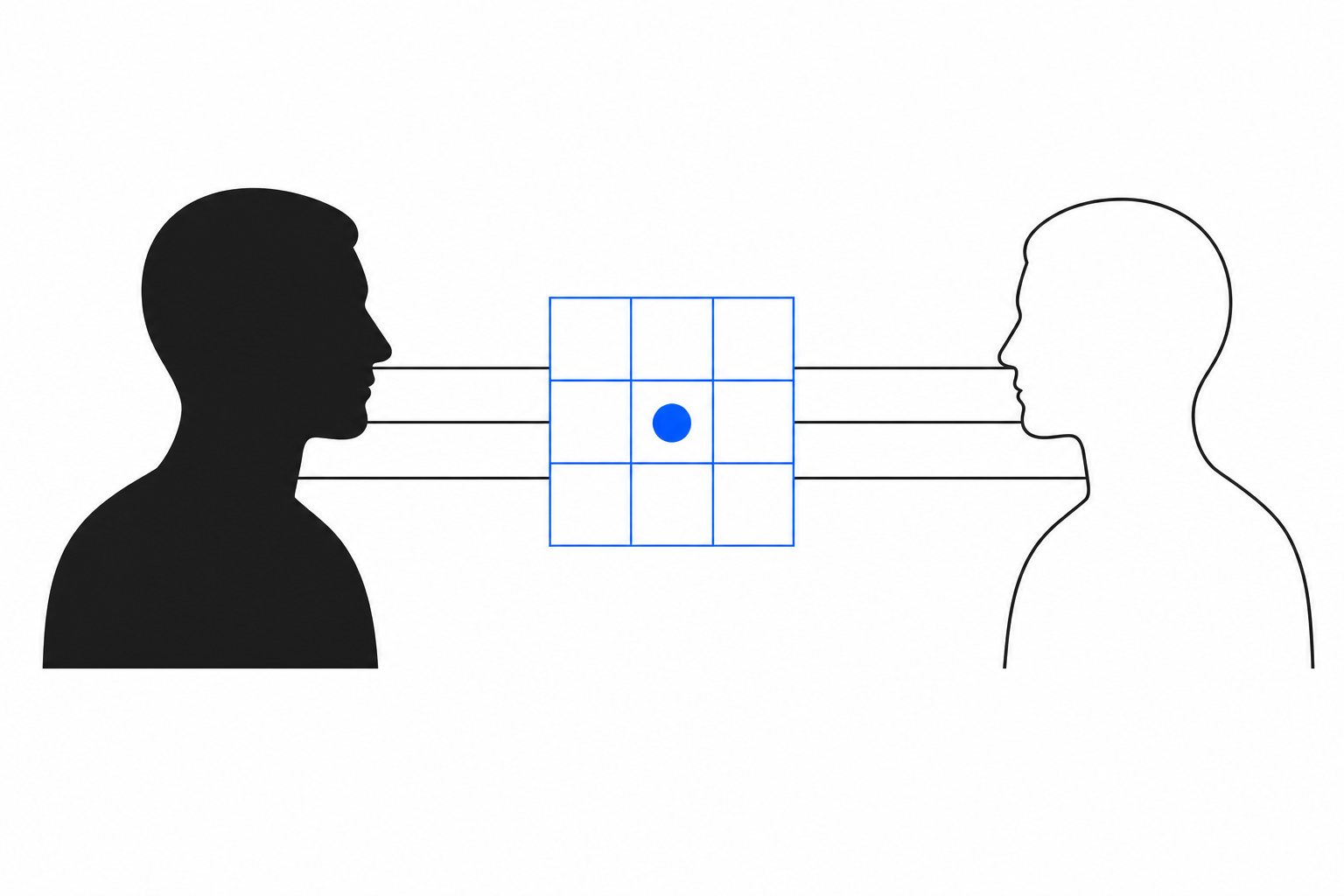
The NCIRP update is a chance to embed human-centered factors: decision-making under stress, time pressure, situational awareness, and human–machine collaboration.
Cybersecurity is not only firewalls and systems; people decide outcomes. Psychology helps close awareness gaps, reduce cognitive overload, and design human-centered security programs.